
Why 2026 Became One of the Most Exciting Years for the Smartphone Market
The smartphone industry in 2026 has reached a completely new level of technological development. Artificial intelligence, ultra-powerful processors, revolutionary cameras, foldable displays, and advanced ecosystems have transformed smartphones from simple communication devices into full-fledged digital assistants. Manufacturers are now competing not only in performance and camera quality, but also in AI capabilities, battery life, and ecosystem integration.
Main Trends in the Mobile Industry
- Artificial intelligence in smartphones
- Improved cameras with AI image processing
- Next-generation high-performance processors
- Longer battery life and power efficiency
- Rapid growth of foldable smartphones
- 100W+ ultra-fast charging
- Apple, Samsung, Xiaomi, and Google ecosystems
- Advanced AI assistants and automation
- Satellite communication support
- Desktop-level mobile gaming
Which Brands Are Leading in 2026
What This Article Covers
This guide reviews the most popular smartphones of 2026, their specifications, strengths, weaknesses, AI capabilities, camera performance, battery life, gaming features, and overall value for money.
Who This Ranking Is For
- Mobile photography enthusiasts
- Gamers
- Business users
- Content creators
- Android fans
- Apple ecosystem users
- Buyers looking for the best value smartphone
- Users searching for premium flagship devices
1. Apple iPhone 17 Pro Max

The Apple iPhone 17 Pro Max features the new A19 Pro processor built on an advanced manufacturing process. The smartphone comes with a large 120Hz OLED display, an upgraded camera system with advanced night photography, and support for professional-grade video recording. The battery easily lasts more than a full day even under heavy usage. The body is made of titanium, while the built-in AI system helps enhance photos and overall device performance.
It is considered one of the best smartphones of the year. Users choose it for:
- powerful A19 Pro processor
- excellent battery life
- professional camera system
- stable iOS performance
- high-quality video recording
The model is among the world’s best-selling smartphones in 2026.
2. Samsung Galaxy S26 Ultra

The Samsung Galaxy S26 Ultra is considered one of the most powerful Android smartphones of 2026. The device features a 200MP camera with massive optical zoom, a high-resolution AMOLED display, and S Pen support. The smartphone is powered by a next-generation Snapdragon processor, fast charging technology, and intelligent AI features for photo and video processing.
The main Android flagship of 2026.
Especially popular thanks to:
- 200MP camera
- powerful AI functionality
- S Pen stylus
- stunning AMOLED display
- huge zoom capabilities
Samsung remains one of the global leaders in smartphone sales.
3. Google Pixel 10 Pro

The Google Pixel 10 Pro is especially popular among mobile photography enthusiasts. The smartphone stands out with outstanding image processing, excellent night photography, and a clean Android experience. Google’s built-in AI assists with photo editing, translations, and voice control.
One of the best camera phones of 2026.
Advantages:
- best-in-class night photography
- Google AI features
- clean Android system
- excellent photo processing
Especially popular in the United States and Europe.
4. OnePlus 15

The OnePlus 15 offers an excellent balance between price and performance. The smartphone features a powerful processor, a large AMOLED display with a high refresh rate, and ultra-fast charging. The model is particularly popular among mobile gamers due to its high performance and efficient cooling system.
A very popular Android smartphone among users who want maximum power for a reasonable price.
Known for:
- high operating speed
- excellent battery life
- fast charging
- gaming capabilities
TechRadar named it one of the best Android smartphones of the year.
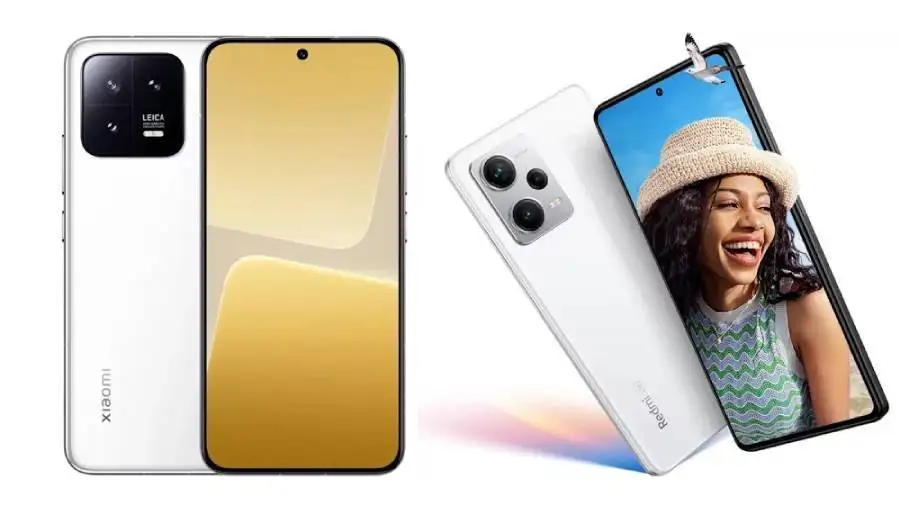
5. Xiaomi 17 Ultra

The Xiaomi 17 Ultra comes with a premium Leica camera system, a modern processor, and one of the fastest charging technologies on the market. The smartphone delivers high-quality photography, a powerful battery, and a bright HDR-supported display. Xiaomi continues to maintain leadership in price-to-performance value.
One of the most popular Chinese flagship smartphones.
Users appreciate:
- powerful Leica camera
- excellent price-to-specs ratio
- ultra-fast charging
- premium design
Xiaomi remains among the world’s top three smartphone brands.
6. Samsung Galaxy Z Fold 7

Among foldable smartphones, the Samsung Galaxy Z Fold 7 and Oppo Find N6 have gained special popularity. These models offer flexible AMOLED displays, powerful cameras, and convenient multitasking capabilities. Foldable smartphones are becoming increasingly popular among business users and technology enthusiasts.
The most popular foldable smartphone of 2026.
Especially востребован among:
- business users
- bloggers
- multitasking enthusiasts
Foldable smartphones continue to grow rapidly in popularity.
7. Oppo Find N6
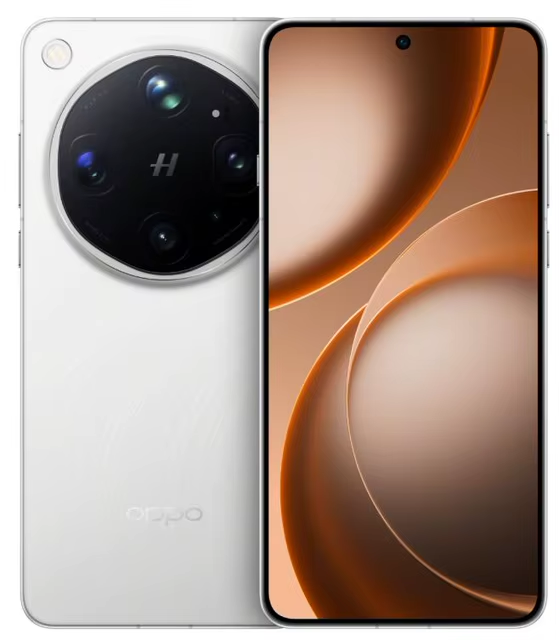
One of the most talked-about foldable smartphones of 2026.
Features:
- nearly invisible screen crease
- powerful battery
- slim body design
- premium Hasselblad camera
Many experts call it the best foldable smartphone of 2026.
8. iPhone 17

One of the most mass-market smartphones of the year.
Reasons for its popularity:
- more affordable than the Pro versions
- powerful processor
- excellent camera
- high resale value
The iPhone 17 became the global sales leader in early 2026.
Most Popular Smartphone Brands of 2026
| Brand | Popularity |
|---|---|
| Apple | Leader in the premium segment |
| Samsung | Leader of the Android market |
| Xiaomi | Best balance of price and technology |
| AI and camera innovations | |
| OnePlus | Performance and speed |
| Oppo | Innovation and foldable devices |
| Vivo | Cameras and design |
Main Smartphone Trends of 2026
- AI features integrated directly into smartphones
- Improved AI-powered cameras
- Growing popularity of foldable smartphones
- Ultra-fast charging technologies
- More powerful batteries
- Rising smartphone prices due to memory shortages and AI chip demand